A vintage interior doesn't have to look like a time capsule. In fact, some of the most beautiful homes combine vintage furniture and decorative objects with contemporary pieces to create an interior that feels personal, warm, and timeless.
Whether you love Mid-Century Modern furniture, colourful retro ceramics, Scandinavian design, vintage glass, or sculptural decorative objects, adding just a few carefully selected pieces can completely transform a room.
The key is not to fill your home with old things. It's about finding the right vintage pieces and combining them with modern elements in a way that feels balanced.
In this guide, we'll explore how to get started with vintage interiors, what to look for when buying vintage, and which design styles work particularly well in different types of homes.
What Is a Vintage Interior?
A vintage interior combines objects and furniture from previous decades with contemporary design.
Unlike a completely traditional interior, a vintage-inspired home doesn't necessarily need everything to be old. A modern sofa can sit next to a 1960s coffee table. A contemporary dining table can be decorated with vintage glassware. A minimalist room can be transformed with a colourful West German ceramic vase.
This combination is what gives vintage interiors their character.
The goal is to create a home that feels collected rather than decorated.

Why Choose Vintage?
There are many reasons people are turning to vintage furniture and décor.
Character
Vintage pieces often have a personality that is difficult to reproduce with mass-produced furniture.
Craftsmanship
Older furniture and decorative objects were frequently made with materials and techniques that are less common today.
Sustainability
Buying vintage gives existing objects another life instead of always purchasing newly manufactured products.
Uniqueness
A vintage vase, chair, lamp, or sculpture can make your interior feel completely different from a showroom.
Investment Potential
Some vintage design objects can retain or increase their value, particularly pieces from recognised designers and manufacturers.

Start Small
One of the biggest mistakes when creating a vintage interior is trying to change everything at once.
Instead, start with one or two statement pieces.
For example:
- A vintage ceramic vase
- A Mid-Century table lamp
- A vintage mirror
- An original art print
- A Scandinavian side table
- A sculptural glass object
- A vintage tray
A single exceptional object can sometimes have more impact than an entire room filled with vintage furniture.

How To Combine Old With New?
The easiest way to create a contemporary vintage interior is to mix periods.
Modern Sofa + Vintage Coffee Table
A clean-lined contemporary sofa can look fantastic with a 1960s wooden coffee table.
The contrast prevents the room from feeling overly retro.
Modern Dining Table + Vintage Chairs
You don't necessarily need a matching dining set.
Try combining a modern table with vintage chairs—or even several different vintage chairs.
This creates a more relaxed, collected appearance.
Contemporary Shelving + Vintage Objects
Modern shelving provides an excellent backdrop for:
- Ceramics
- Glass vases
- Figurines
- Paperweights
- Art glass
- Vintage books
- Decorative bowls
This is particularly effective if you want to introduce vintage design without replacing your existing furniture.

Mid-Century Modern: Perfect for Clean, Contemporary Homes
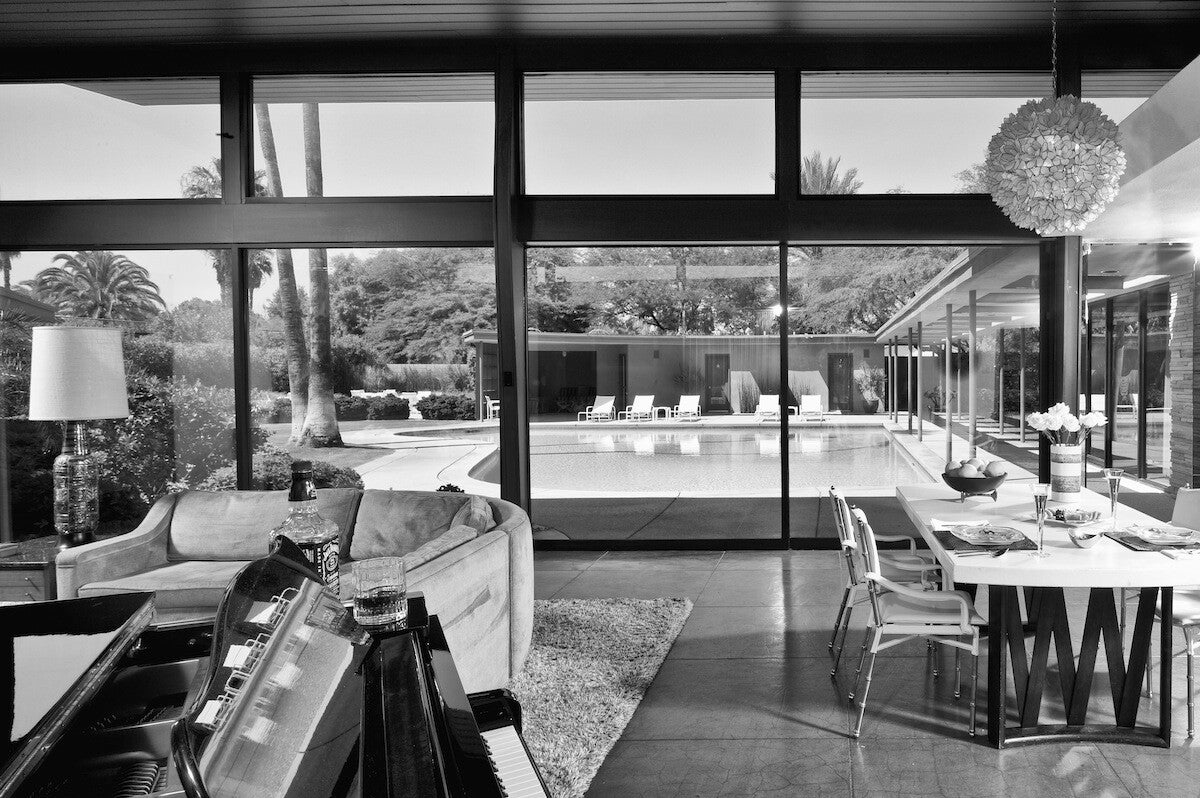
Mid-Century Modern is one of the easiest vintage styles to incorporate into a modern interior.
The style is generally associated with the 1940s through the 1960s and is known for:
- Clean lines
- Organic shapes
- Functional design
- Natural wood
- Tapered legs
- Sculptural forms
It works particularly well in:
Modern apartments
Minimal architecture provides a beautiful backdrop for Mid-Century furniture.
Open-plan homes
Low furniture and clean silhouettes help maintain a sense of space.
Homes with wooden floors
Wooden furniture and natural materials create a cohesive atmosphere.
Minimalist interiors
A single Mid-Century chair, lamp, or sideboard can add warmth without making the room feel cluttered.

Retro Style: For Homes That Love Colour
If you prefer something more playful, retro interiors may be the right choice.
Think:
- Bold colours
- Geometric patterns
- Colourful ceramics
- Chrome details
- Sculptural lamps
- Decorative glass
- Graphic artwork
Retro styling works particularly well in homes where you aren't afraid to experiment.
A neutral room can instantly become more interesting with a bright vintage vase or colourful ceramic object.
The secret is controlled repetition.
If you introduce one strong colour through a vintage object, repeat that colour subtly elsewhere in the room.

Scandinavian Vintage: Calm and Timeless
Scandinavian vintage design is ideal if you prefer a quieter interior.
Typical characteristics include:
- Natural wood
- Soft neutral colours
- Simple forms
- Functional furniture
- Organic materials
- Minimal decoration
Vintage Scandinavian glass and ceramics work particularly well in this environment.
A beautiful vintage vase on a wooden sideboard can add just enough character without disturbing the calm aesthetic.

Vintage for small Apartments
You don't need a large house to create a vintage interior.
In fact, smaller spaces can benefit enormously from carefully chosen vintage objects.
Instead of buying several large pieces, focus on:
- One statement chair
- A small vintage side table
- A decorative mirror
- A sculptural lamp
- A few carefully selected ceramics
Avoid filling every available surface.
Vintage interiors look best when individual pieces have space around them.

Vintage for Large Homes
Larger homes offer more opportunities to combine different styles.
You can create individual areas with different personalities.
For example:
Living room: Mid-Century Modern
Dining area: Scandinavian vintage
Study: Classic vintage
Hallway: Sculptural ceramics and art
Bedroom: Minimal vintage
This creates variety while maintaining an overall cohesive aesthetic.

What to Look for When Buying Vintage
Buying vintage requires slightly more attention than buying new furniture.
Before purchasing an item, consider these factors.
1. Condition
Always check carefully for:
- Cracks
- Chips
- Repairs
- Scratches
- Stains
- Fading
- Missing parts
Some signs of age are completely normal, but significant damage should be reflected in the price.
2. Authenticity
If an object is attributed to a particular designer or manufacturer, look for supporting evidence.
Depending on the item, this could include:
- Manufacturer's marks
- Signatures
- Original labels
- Model numbers
- Stamps
- Provenance
- Period catalogues
A seller should be transparent about what is known and what is uncertain.
3. Materials
Quality materials are one of the reasons vintage objects can remain beautiful for decades.
Look for:
- Solid wood
- Quality glass
- Ceramic
- Brass
- Aluminium
- Leather
- Natural textiles
Materials often develop a beautiful patina with age.
4. Proportions
A beautiful object isn't necessarily the right object for your home.
Before buying furniture, measure your room carefully.
Consider:
- Height
- Width
- Depth
- Doorways
- Walking space
- Ceiling height
For smaller decorative objects, think about the scale in relation to the furniture around them.

Don't Buy Vintage Simply Because It's Vintage
This is one of the most important rules.
An object can be 60 years old and still not be particularly interesting.
Instead, ask yourself:
Would I still love this object if I didn't know its age?
If the answer is yes, you've probably found something worth considering.
Look for objects with:
- Beautiful proportions
- Interesting materials
- Strong design
- Craftsmanship
- Character
- A story

How to Create a Vintage Focal Point
Every room benefits from a focal point.
This could be:
- A vintage sofa
- A large ceramic vase
- A striking painting
- A sculptural lamp
- A Mid-Century sideboard
- A dramatic piece of art glass
Once you've chosen the focal point, keep the surrounding decoration relatively simple.
This allows the vintage piece to stand out.

Mix Materials
One of the easiest ways to make a vintage interior feel sophisticated is to combine materials.
Try pairing:
Wood + glass, Ceramic + metal
Leather + wood, Brass + marble
Glass + chrome
For example, a wooden Mid-Century sideboard can be styled with a colourful ceramic vase and a sculptural glass object.
The different textures create depth.

Use Vintage Objects as Art
Vintage objects don't always need to be functional.
A beautiful ceramic sculpture, glass bowl, figurine, or paperweight can be treated like artwork.
Instead of hiding decorative objects among dozens of accessories, give them their own space.
A small pedestal, shelf, or sideboard can turn an interesting vintage object into a focal point.

Create a Collected Look
The most successful vintage interiors usually don't look as though everything was purchased from the same shop.
Mix different periods.
For example:
1950s chair + contemporary sofa + 1970s ceramic vase + modern artwork
or:
Scandinavian sideboard + Italian glass + contemporary lamp + vintage print
The combination creates a sense that your interior has evolved over time.

Where to Buy Vintage Design?
There are several places to find vintage furniture and decorative objects:
- Flea markets
- Antique shops
- Estate sales
- Auction houses
- Vintage design stores
- Online marketplaces
- Curated online shops
Flea markets can be excellent for discoveries, but identifying authentic and valuable pieces requires knowledge.
For people who prefer a more curated experience, TheyUnique.com is an example of an online source where carefully selected vintage design objects can be found across styles including Mid-Century Modern, Scandinavian, Italian, and retro design.
The advantage of a curated collection is that you can browse pieces that have already been selected for their design, character, and condition rather than searching through thousands of unrelated listings.

The 80/20 Rule for Vintage Interiors
A useful approach is to keep approximately 80% of your interior contemporary or neutral and 20% vintage.
You don't have to follow this literally, but the principle is helpful.
For example:
80%: modern sofa, contemporary flooring, neutral walls
20%: vintage coffee table, ceramic vase, art print, and lamp
This allows the vintage pieces to become the stars of the room.
Of course, if you're a serious vintage enthusiast, you can go much further.

Build Your Collection Slowly
A vintage interior doesn't need to be completed in a weekend.
In fact, it's often better when it isn't.
Take your time and look for pieces that genuinely excite you.
You might begin with a vase, then discover a matching ceramic bowl several months later. Eventually, your collection develops its own personality.
This is what makes a vintage interior feel authentic.
It tells your story rather than following a catalogue.

Final Thoughts
Creating a vintage interior is less about following strict rules and more about developing an eye for beautiful objects.
Start small, combine old and new, pay attention to condition and authenticity, and choose pieces because you genuinely love their design.
Mid-Century Modern works beautifully in clean contemporary homes, Scandinavian vintage creates calm and warmth, while retro ceramics, glass, and furniture can bring colour and personality to more eclectic spaces.
Most importantly, don't be afraid to mix styles.
The best vintage interiors aren't museums. They're living spaces filled with objects that have history, character, and meaning.
And if you'd rather discover carefully selected pieces without spending every weekend searching flea markets, curated online stores such as TheyUnique.com can be a useful starting point for finding authentic vintage furniture, ceramics, glass, artwork, and decorative objects that fit naturally into a modern home.
Shop now:
-
Douglas K. Morris
 "Beach Scene" 237/300 – Hand-Signed Limited Edition Screenprint by Douglas K. Morris € 850,00 GRATIS verzending
 -
Ikea Kaaro
 90's IKEA Kaaro Armchairs – Set of 5 Vintage Chairs with Yellow Cushions | Scandinavian Design € 380,00 GRATIS verzending
 -
Anna Hütte

-
Cabbagetown Pottery

-
Gerard van den Berg
 Charly Classic Leather Armchair by Gerard van den Berg – Iconic Dutch Design € 357,00 GRATIS verzending


Reactie plaatsen
Reacties